Notes on work already done in Nairobi. These are the activities we have photographs and a write-up for. Other project work has taken place in 10 counties.
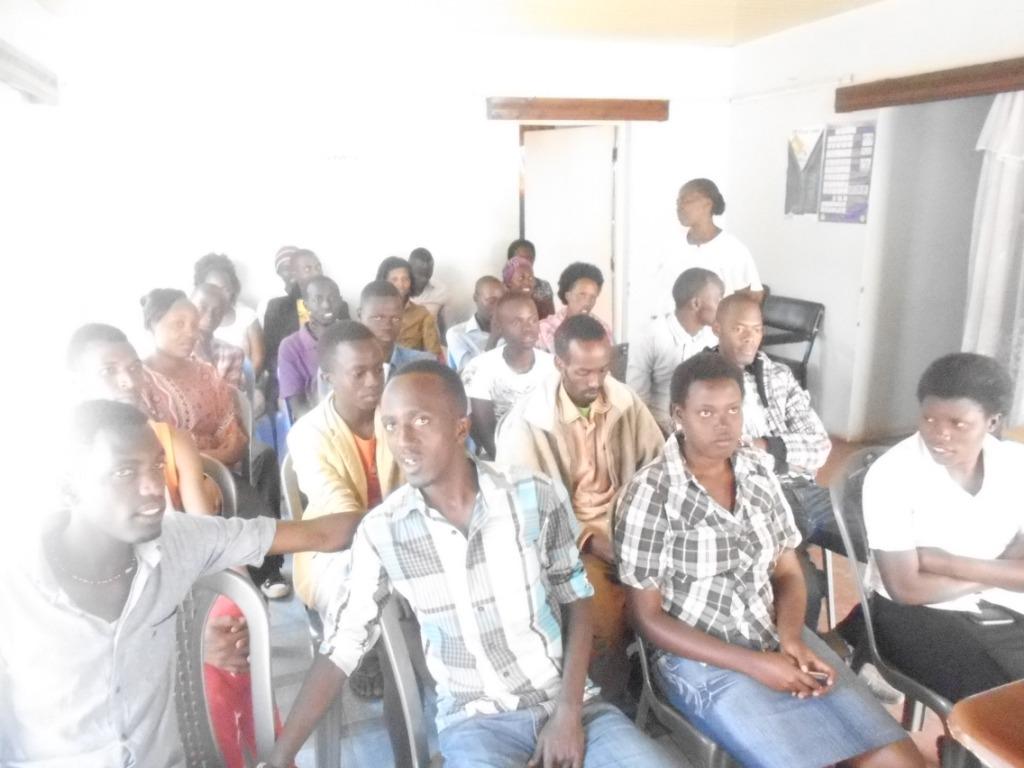
PKOK held a youth forum in Mathare on drug and substance abuse. Mathare is densely populated, and drug use among young people was already affecting families and safety in the area.
Facilitators, community leaders and peer mentors led the sessions. They talked through why young people start — peer pressure, no work, little reliable information, nowhere to go for help — and what the longer effects look like. There was also practical talk: how to refuse, where recovery support sits, and what else a week can be filled with.
122 young people who were already using drugs were counselled and linked to mentorship, rehabilitation referrals or follow-up in the community. Others were pointed toward training, small business, sport and community service, and asked to carry the same message to their peers.
The forum in Mathare.
122young people counselled and linked to support after the forum.
Korogocho · Children
Work with children who had little support
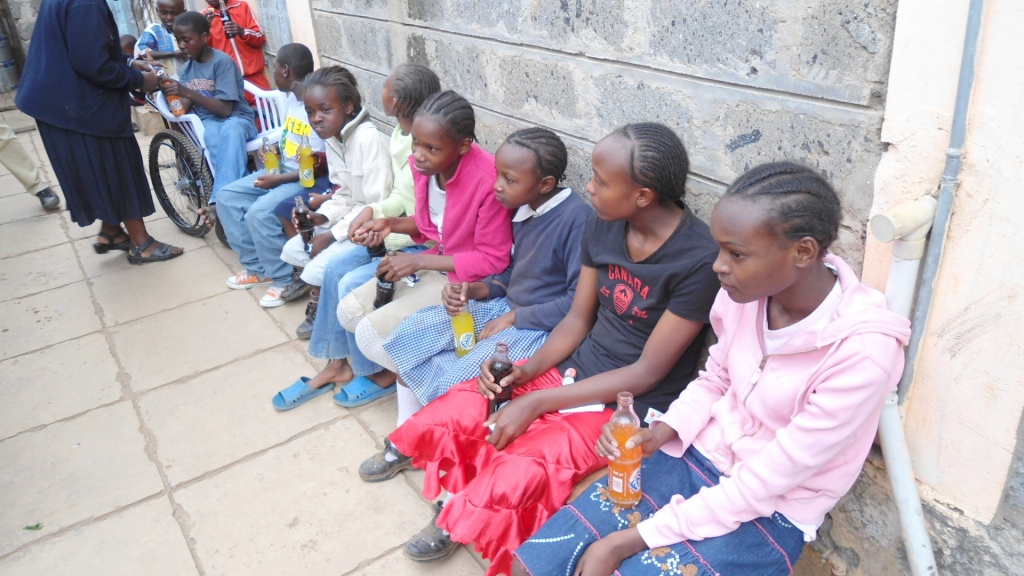
In Korogocho, PKOK ran sessions for children living in hard conditions, including children connected to the street. Many of them were dealing with neglect, and with almost no reliable adult around them.
The sessions were not only about things. Mentors talked about school, personal discipline and the choices in front of a child, and spent time listening. Children were also introduced to community support and to child protection networks, so the afternoon was not the end of it.
Psychosocial support sat alongside the talks. The organization treats that as part of the work, not an extra.
Mentorship and life skills
Psychosocial support
Information on staying in school
Links to child protection
Children during the Korogocho activity.
Mwiki · Families
Family values training for separated families
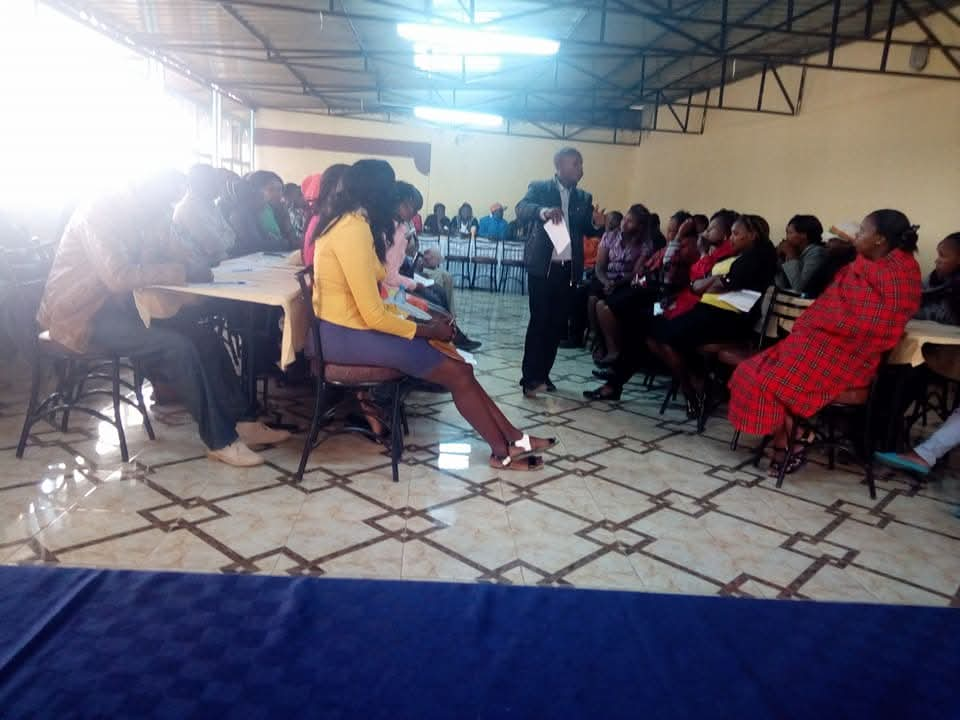
In Mwiki, PKOK brought together parents, guardians and caregivers from separated and otherwise strained families. Family breakdown, conflict at home and weak relationships with children were the reasons for the training. Those things do not stay inside one house.
The room was set up so people could talk, not only listen. The values on the table were ordinary ones: responsibility, respect, communication, co-parenting and how to settle a disagreement without it becoming the child’s problem.
The point made more than once was that separation does not cancel a parent’s duty. Children still need the adults to be predictable.
Responsibility and respect
Communication
Co-parenting after a separation
Conflict resolution
The child’s wellbeing
Training with families in Mwiki.
Mwiki · Psychosocial support
Support for people living through a separation
Alongside the family training, PKOK ran psychosocial support for separated families in Mwiki. Separation was showing up as stress, low mood and people pulling away from everyone else. The sessions were there to give people a way through that, not a lecture about it.
Participants sat in group counselling, heard from others in the same situation, and practised ways of handling stress. Where someone needed more than a community session, they were pointed toward professional help.
The organization treats this as part of the same job as the skills work. A family that cannot cope day to day will not use a training handout.
Group counselling
Peer support
Stress management
Referral where a professional is needed
The same Mwiki sessions included psychosocial support.